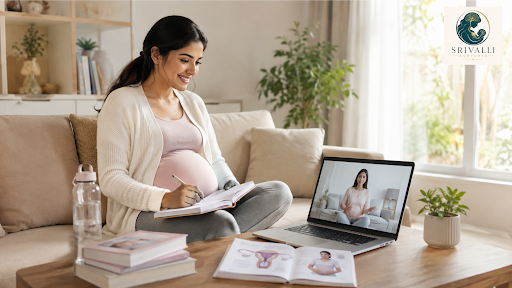
The birth of your baby is one of the happiest moments of your life. After months of waiting, imagining tiny kicks, and dreaming about meeting your little one, you finally hold your baby in your arms. It is a beautiful moment filled with love, excitement, and gratitude.
However, while everyone celebrates the arrival of your baby, many mothers quietly begin another journey—the journey of healing. Your body needs time to recover, your emotions begin to change, your daily routine completely transforms, and suddenly you become responsible for a tiny human who depends on you every moment of the day.
This stage is called Postnatal Recovery, and it is just as important as pregnancy itself. Unfortunately, many women spend months preparing for childbirth but very little time preparing for life after delivery. They often expect to feel normal within a few days, only to realize that recovery takes patience, care, and support.
At Srivalliyogiktag, we believe motherhood begins long before your baby is born and continues long after childbirth. Preparing for Postnatal Recovery during pregnancy allows mothers to enter this new phase with greater confidence instead of confusion. With the right guidance, healthy habits, and realistic expectations, recovery becomes smoother, allowing you to enjoy the precious early days with your baby.
In this guide, you'll learn how to recover physically, emotionally, and mentally after childbirth while building a strong foundation for confident motherhood.
Understanding Postnatal Recovery
Many mothers believe recovery ends once they leave the hospital. In reality, healing continues for several weeks and even months after delivery.
Your body has spent nearly nine months growing a baby. Muscles have stretched, hormones have changed, and your body has worked incredibly hard throughout pregnancy and childbirth. Naturally, it needs time to heal.
Postnatal Recovery isn't only about physical healing. It also includes emotional adjustment, mental well-being, sleep recovery, nutrition, breastfeeding, and learning your new role as a mother.
Every woman's recovery journey is different.
Some recover quickly.
Others need more time.
Both experiences are completely normal.
Rather than comparing yourself with others, focus on supporting your own body with patience and care.
Why Every Mother Should Prepare for Recovery Before Delivery
Most expecting mothers spend weeks shopping for baby clothes, decorating the nursery, and packing their hospital bags. While these preparations are exciting, many forget to prepare themselves for the weeks after childbirth.
Preparing early helps reduce unnecessary stress because you already know what to expect.
A Pregnancy Coach often encourages mothers to think beyond delivery day and prepare for the recovery period just as carefully as they prepare for labor.
Planning ahead gives you confidence because many common postpartum challenges become much easier to manage when you understand them in advance.
Preparing before delivery can help you:
-
Feel more confident after childbirth.
-
Reduce unnecessary anxiety.
-
Recover more comfortably.
-
Build healthy routines early.
-
Focus more on your baby instead of confusion.
-
Know when to seek professional support.
Preparation doesn't eliminate challenges, but it helps you face them with confidence.
Physical Changes After Childbirth
Your body goes through remarkable changes after delivery. Whether you have a vaginal birth or a cesarean section, healing takes time.
Some mothers feel energetic within days, while others need several weeks before they begin feeling like themselves again.
Common physical changes include:
-
Vaginal bleeding.
-
Soreness.
-
Fatigue.
-
Breast fullness.
-
Back pain.
-
Hormonal changes.
-
Muscle weakness.
These changes are usually temporary and gradually improve as your body heals.
Understanding these normal changes helps reduce unnecessary worry during Postnatal Recovery.
Giving Your Body Time to Heal
One of the biggest mistakes new mothers make is expecting their bodies to recover immediately.
Many women feel pressure to "bounce back" quickly because of social media, family expectations, or comparisons with others.
The truth is that healing is a gradual process.
Instead of focusing on returning to your old routine immediately, focus on supporting your body's recovery one day at a time.
Simple ways to support physical healing
-
Get as much rest as possible.
-
Eat nutritious meals.
-
Stay hydrated.
-
Follow your doctor's advice.
-
Avoid lifting heavy objects.
-
Accept help from family members.
Healing isn't a race.
Your body deserves patience after everything it has accomplished.
Nutrition Plays a Major Role in Recovery
Good nutrition supports faster healing, better energy levels, and improved overall well-being after childbirth.
Your body continues working hard even after delivery, especially if you're breastfeeding. Eating balanced meals provides the nutrients needed for recovery while also supporting your baby's growth.
Instead of focusing on weight loss immediately, focus on nourishing your body.
Foods that support recovery
-
Fresh fruits.
-
Green leafy vegetables.
-
Whole grains.
-
Protein-rich foods.
-
Healthy fats.
-
Iron-rich foods.
-
Plenty of water.
A balanced diet supports both Postnatal Recovery and long-term health.
Emotional Recovery Is Just as Important
Many new mothers prepare for physical recovery but feel surprised by the emotional changes that follow childbirth.
Hormonal changes, lack of sleep, breastfeeding challenges, and adjusting to motherhood can create emotional ups and downs.
Some days you may feel joyful.
Other days you may feel overwhelmed.
These emotional changes are common and deserve the same attention as physical healing.
A Pregnancy Coach often reminds mothers that emotional well-being is not something to ignore. Looking after your mental health allows you to care for your baby while also caring for yourself.
Healthy ways to support emotional recovery
-
Share your feelings openly.
-
Get enough rest whenever possible.
-
Ask for help without guilt.
-
Spend time outdoors.
-
Celebrate small victories each day.
-
Stay connected with supportive people.
Motherhood isn't about being perfect.
It's about learning and growing every day.
Understanding the Baby Blues
Many mothers experience emotional sensitivity during the first few days after childbirth.
This is commonly known as the "baby blues."
You may suddenly cry, feel emotional, become easily irritated, or experience mood changes without understanding why.
These feelings are often caused by hormonal changes combined with physical exhaustion.
The baby blues usually improve within two weeks.
However, if sadness becomes overwhelming or continues for a longer period, it is important to seek professional support.
Remember, asking for help is a sign of strength, not weakness.
Why Self-Care Is Not Selfish
After childbirth, many mothers focus entirely on their baby and forget about themselves.
While caring for your newborn is your priority, your health matters too.
You cannot pour from an empty cup.
Taking care of yourself allows you to take better care of your baby.
Simple self-care doesn't require hours of free time.
It can be built into your daily routine through small, meaningful habits.
Simple self-care ideas
-
Take short walks.
-
Drink enough water.
-
Rest whenever your baby sleeps.
-
Listen to calming music.
-
Practice deep breathing.
-
Spend a few quiet moments for yourself.
Even ten minutes of self-care can improve your emotional well-being.
Accepting Help Makes Recovery Easier
Many new mothers feel they should handle everything on their own.
The reality is that motherhood was never meant to be a solo journey.
Accepting help from your partner, parents, siblings, or close friends gives you more time to heal and bond with your baby.
A Pregnancy Coach often encourages mothers to build a support system before delivery so they know exactly who they can rely on during the first few weeks.
Support may come in many forms.
Family members can help by:
-
Cooking meals.
-
Looking after household chores.
-
Holding the baby while you rest.
-
Helping with grocery shopping.
-
Offering emotional encouragement.
Allowing others to support you is one of the healthiest decisions you can make during Postnatal Recovery.
Breastfeeding: Learning Takes Time
Many mothers expect breastfeeding to happen naturally from the very first day. While some babies latch easily, others may need a little more time and patience. Every mother and every baby is different, so it's important not to compare your experience with someone else's.
The first few days after delivery are all about learning together. Instead of worrying about doing everything perfectly, focus on understanding your baby's feeding cues and allowing yourself time to adjust.
A Pregnancy Coach often helps mothers understand breastfeeding basics during pregnancy itself, making them feel more prepared before the baby arrives.
Tips for a smoother breastfeeding journey
-
Feed your baby whenever they show hunger cues.
-
Find a comfortable feeding position.
-
Drink plenty of water throughout the day.
-
Eat nutritious meals to support milk production.
-
Don't hesitate to ask a lactation expert for guidance if needed.
Remember, breastfeeding is a learning process for both mother and baby.
Sleep Is an Important Part of Recovery
One of the biggest challenges new mothers face is lack of sleep. Babies wake frequently for feeding, diaper changes, and comfort, making uninterrupted sleep difficult during the first few months.
Although getting a full night's sleep may not always be possible, finding ways to rest throughout the day can significantly improve your Postnatal Recovery.
Instead of trying to complete every household task, give yourself permission to rest whenever possible.
Ways to improve your rest
-
Sleep when your baby sleeps.
-
Share nighttime responsibilities with your partner.
-
Limit unnecessary visitors during the early weeks.
-
Create a calm sleeping environment.
-
Ask family members for help with household chores.
Rest is not laziness, it is an essential part of healing.
Building a New Daily Routine
Life changes completely after your baby arrives. Your previous routine may no longer work, and that's perfectly okay. Rather than trying to return to your old schedule immediately, focus on creating a new routine that supports both you and your baby.
A flexible routine helps reduce stress and gives you a greater sense of control during the early weeks of motherhood.
Start with simple habits and gradually adjust as your baby grows.
Your daily routine may include
Morning
-
Drink a glass of water after waking up.
-
Eat a healthy breakfast.
-
Spend a few quiet moments with your baby.
Afternoon
-
Eat balanced meals.
-
Take short breaks whenever possible.
-
Rest while your baby sleeps.
Evening
-
Spend quality time with your family.
-
Prepare for the next day.
-
Relax before bedtime.
Healthy routines help both you and your baby settle into a comfortable rhythm.
Returning to Work with Confidence
For many women, returning to work after maternity leave can feel emotional. Along with excitement about resuming your career, you may also experience guilt, anxiety, or worry about leaving your baby.
These feelings are completely normal. The key is to prepare gradually rather than waiting until your first day back at work.
A Pregnancy Coach often encourages mothers to think about this transition during pregnancy itself. Planning ahead allows you to return to work feeling more organized and emotionally prepared.
Before returning to work
-
Discuss childcare arrangements early.
-
Create a feeding plan if needed.
-
Practice your daily routine beforehand.
-
Communicate openly with your employer.
-
Be patient with yourself during the transition.
Returning to work doesn't make you any less of a loving mother. It simply marks another chapter in your motherhood journey.
Your Partner's Support Matters More Than You Think
Motherhood becomes much easier when responsibilities are shared. Emotional support from your partner can help reduce stress, improve confidence, and make the recovery period more manageable.
Your partner doesn't have to know everything—they simply need to be present, patient, and supportive.
Even small gestures can make a significant difference during Postnatal Recovery.
Ways your partner can help
-
Help with diaper changes.
-
Hold the baby while you rest.
-
Prepare simple meals.
-
Attend medical appointments together.
-
Encourage you during difficult moments.
-
Celebrate small parenting milestones.
A strong partnership creates a healthier environment for both mother and baby.
Avoid Comparing Your Recovery with Others
One of the biggest mistakes many mothers make is comparing their recovery with friends, relatives, or social media influencers.
Some women recover quickly.
Others need several months.
Both experiences are completely normal.
Your body, pregnancy, delivery, and recovery journey are unique. Instead of measuring your progress against someone else's timeline, celebrate your own small improvements every day.
Focus on your own progress
-
Appreciate how far you've come.
-
Celebrate small achievements.
-
Listen to your body's needs.
-
Be patient with the healing process.
-
Trust your own journey.
Recovery is not a competition.
Common Mistakes to Avoid During Postnatal Recovery
Recovering after childbirth requires patience. Unfortunately, many mothers unknowingly make choices that can slow down their healing.
Understanding these common mistakes helps you recover more comfortably and confidently.
Mistakes to avoid
-
Ignoring your own health.
-
Skipping nutritious meals.
-
Lifting heavy objects too soon.
-
Trying to do everything yourself.
-
Comparing your recovery with others.
-
Returning to intense exercise without medical advice.
-
Ignoring emotional changes.
-
Avoiding help when you need it.
Taking small, thoughtful steps every day often leads to better long-term recovery.
Why a Healthy Recovery Benefits Your Entire Family
Looking after yourself isn't only about you, it also benefits your baby and your family. When you recover well, you have more energy, greater emotional balance, and increased confidence to care for your little one.
A Pregnancy Coach often reminds mothers that self-care is one of the greatest gifts they can give their family. Healthy mothers are better able to nurture healthy children.
Investing in your Postnatal Recovery today creates a stronger foundation for the years ahead.
🌸 Every Mother Deserves the Right Guidance
Motherhood doesn't come with a manual, and it's completely normal to have questions along the way. Whether you're wondering how to prepare for Postnatal Recovery, feeling uncertain about breastfeeding, worried about balancing motherhood and your career, or simply looking for trusted guidance, you don't have to navigate this journey alone.
At Srivalliyogiktag, we're here to support you with practical advice, compassionate guidance, and personalized support so you can recover with confidence and embrace motherhood with peace of mind.
If you're ready to feel more prepared and confident, schedule your personalized 45-minute consultation today.
👉 Book Your Consultation:
https://calendly.com/srivalli-yogiktag/45min
Conclusion
The birth of your baby marks the beginning of a beautiful new chapter, but it is also the beginning of your healing journey. Postnatal Recovery is not something that happens overnight—it is a gradual process that requires patience, proper care, and support. Every mother's experience is different, and there is no "perfect" timeline for recovery.
As you embrace your new role as a mother, remember that taking care of yourself is just as important as taking care of your baby. When you nourish your body, prioritize your emotional well-being, and allow yourself the time to heal, you create a healthier environment for both yourself and your little one. Recovery is not about doing everything perfectly; it is about making small, consistent choices that help you become stronger every day.
At Srivalliyogiktag, we believe that motherhood should be experienced with confidence rather than confusion. Whether you are preparing for childbirth or planning your Postnatal Recovery, the right guidance can help you navigate every stage with greater clarity, confidence, and peace of mind. Remember, a healthy mother builds a healthy family, and investing in your recovery is one of the greatest gifts you can give yourself and your baby.
Frequently Asked Questions
1. How long does Postnatal Recovery usually take?
Postnatal Recovery is different for every mother. While some women start feeling better within a few weeks, complete physical and emotional recovery can take several months. Giving your body enough time to heal and following healthy lifestyle habits can support a smoother recovery.
2. How can I speed up my Postnatal Recovery naturally?
You can support Postnatal Recovery by eating nutritious meals, staying hydrated, getting adequate rest, following your doctor's advice, and accepting help from your family when needed. Small daily habits often make the biggest difference in your overall healing.
3. Why is emotional well-being important after childbirth?
Hormonal changes, lack of sleep, and adjusting to motherhood can affect your emotions after delivery. Taking care of your mental health helps you recover better, bond with your baby, and enjoy your motherhood journey with greater confidence and peace of mind.
4. When can I start exercising after delivery?
The right time depends on your delivery and your overall health. Some mothers can begin gentle walking within a few days, while others may need more time. Always consult your healthcare provider before starting any exercise routine during Postnatal Recovery.
5. How can I prepare for Postnatal Recovery before my baby is born?
Preparing during pregnancy can make recovery much easier. Learning about postpartum healing, planning nutritious meals, arranging family support, understanding breastfeeding basics, and working with a Pregnancy Coach can help you feel more confident and prepared before delivery.